Stop Coal
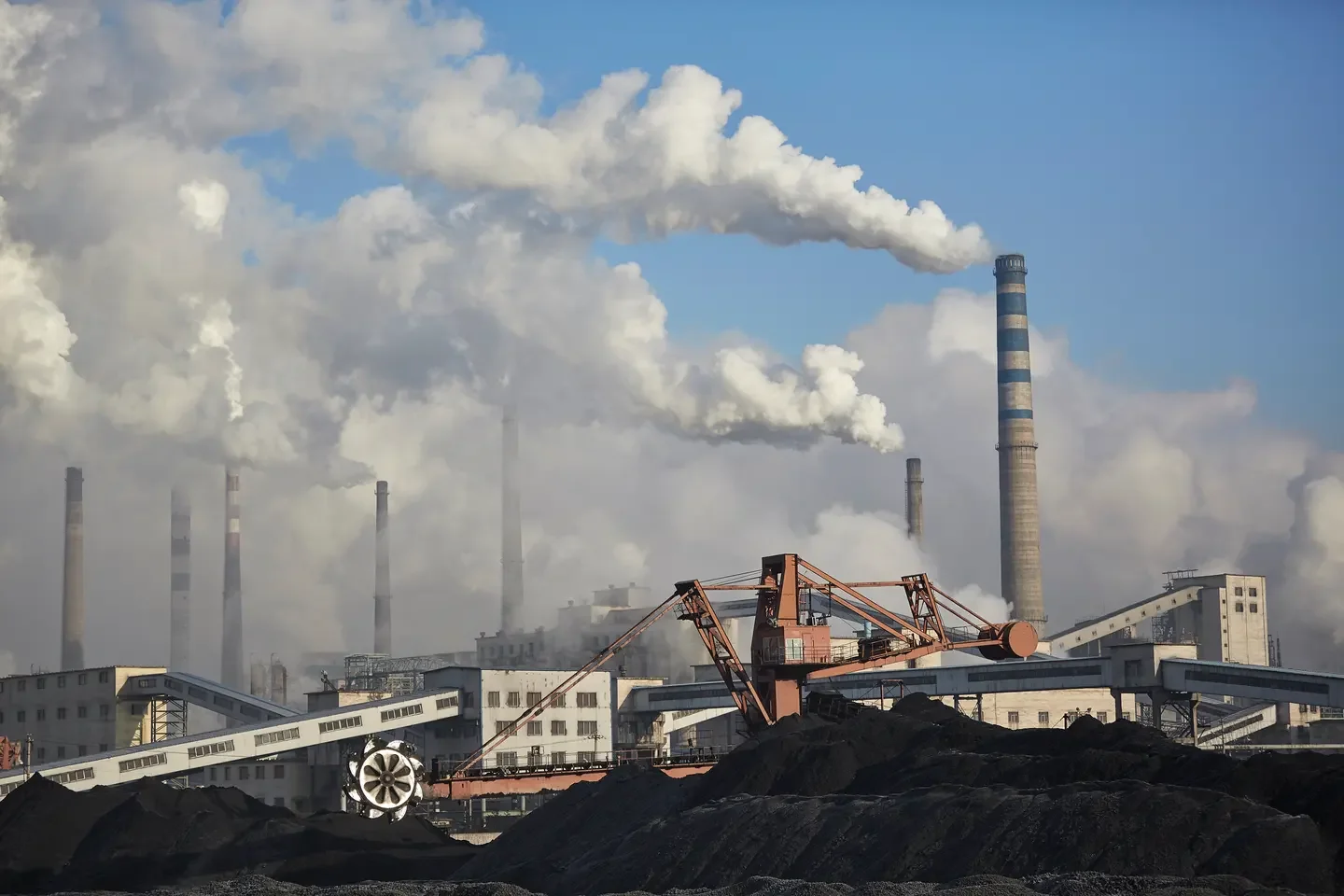
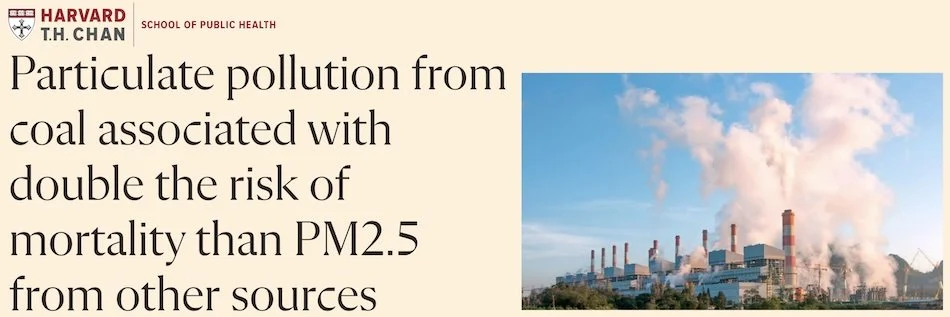
“Coal Is the Most Dangerous Pollutant for Heart Disease, Study Says
Fossil fuel particles, especially coal, were found to be more closely linked to death than other pollution. The research suggests that a particle of coal pollutant contributes five times as much as the average pollutant particle to the chances of death from heart disease.”
“Using emissions data from 480 coal power plants in the U.S., the researchers modeled where wind carried coal sulfur dioxide throughout the week after it was emitted and how atmospheric processes converted the sulfur dioxide into PM2.5. “
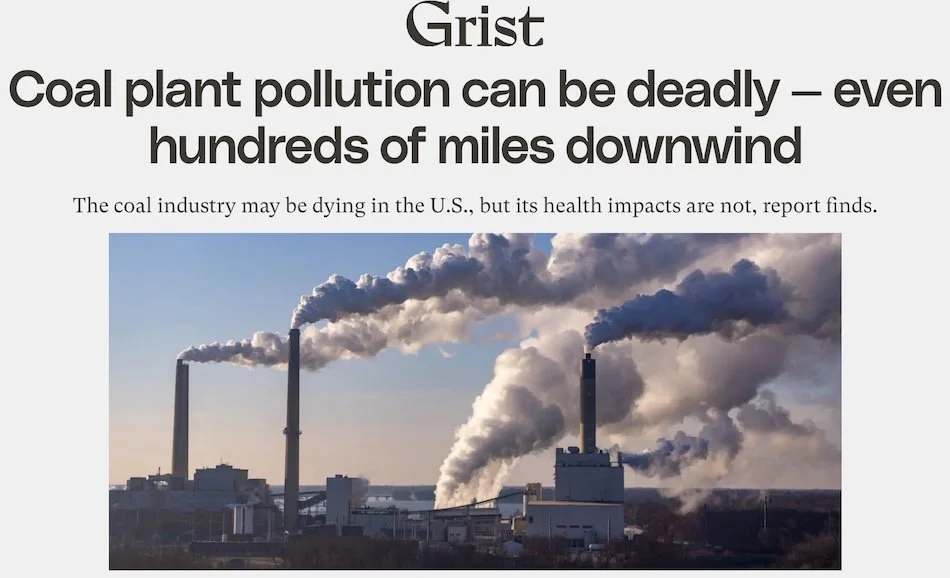
“Coal plants release heavier particles and localized pollution that can have acute impacts within a 30- to 50-mile radius, but they also release fine particulate matter that gets blown hundreds of miles away downwind from tall smokestacks.”
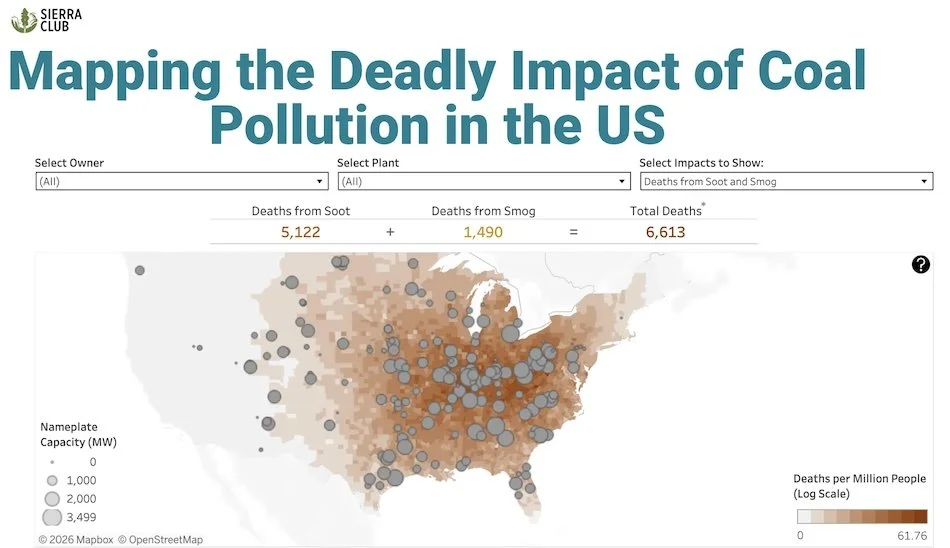
“460,000 U.S. deaths between 1999 - 2020 are attributable to air pollution from coal plants alone.”

Small particles from coal-fired power plants and ash storage sites can reach the brain indirectly through the lungs and bloodstream or directly through the olfactory bulb, causing neurobehavioral problems.
Fly ash is usually stored in landfills and surface impoundments on the property of the power plant. These storage facilities may release dust that exceeds the National Ambient Air Quality Standards for fine particulate matter. Fly ash can be blown by wind to as far as 30 km away from coal-fired power plants.

Adults who lived near coal-burning power plants are significantly more likely to suffer from respiratory problems.

“The extraction, storage, transportation, and utilization of coal produces fugitive dust, which poses a significant risk to human and animal health, and the environment.
Dust generated during extraction presents an occupational hazard for miners and has been linked to pulmonary diseases such as coal workers' pneumoconiosis, chronic obstructive pulmonary disease (COPD), and silicosis.
Emissions from coal-fired power plants may contain hazardous air pollutants, exposing individuals to mercury, sulfur dioxide, nitrogen oxides, particulate matter, toxic heavy metals,, radioactive elements, carbon monoxide, nitrogen oxides (NOx) and volatile organic compounds.”
Coal is TOXIC
Coal is one of the most polluting fossil fuels. When coal is burned, carbon dioxide, particulate matter, sulfur dioxide, and nitrogen oxides are released into the air, harming human health, wildlife, and the environment, along with contributing to climate change.
Coal is a non-renewable resource that is burned to generate electricity indirectly and is a prominent energy source for developing countries.
The extraction of coal harms the land, water, and air. One commonly used technique is surface mining, where layers of soil and rock are removed to allow miners to dig up the coal.
This technique devastates the earth as forests are clear-cut, natural land is stripped away, and habitats are destroyed, with the remaining soil unanchored, easily swept away by rain or even wind, harming wildlife, ecosystems, and public health.
Coal Ash is TOXIC
When coal is burned, it leaves ash behind. Coal ash contains many toxins, including mercury, cadmium, and arsenic, which are heavy metals, extremely toxic even in small amounts.
These and other toxins are in water, air, and soil near coal plants, with closer proximity increasing the amounts of toxic exposure. Short-term exposure can irritate the sinuses, cause dizziness, nausea, vomiting, and shortness of breath, with long-term exposure leading to organ failure, cardiac arrhythmia, and a variety of cancers.
American coal power plants generate around 110 million tons of coal ash every year, most of which is mixed with water and stored in ponds, which tend to leak, flood, or spill in catastrophic amounts.
Toxic heavy metals easily leach out of these ponds into surrounding soil and groundwater, poisoning drinking water supplies. 24 known coal ash sites have contaminated nearby wells.